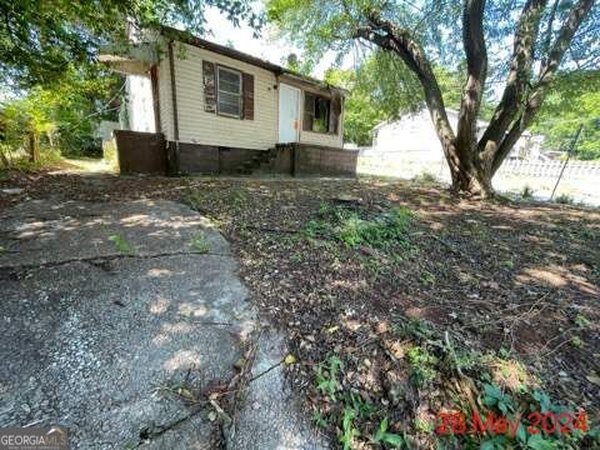
Joyland is located in Atlanta GA, Fulton County. There are currently 1 homes active and for sale inside the neighborhood with the average price being $156,000. The number of homes for sale in Joyland is always changing so if you see a home you like and you would like to schedule a time to take a look please give me a call at 404-620-4571.
Neighborhood Joyland in Atlanta, Fulton County offers a compelling mix of urban convenience and neighborhood-scale living that is quietly drawing attention from buyers and investors looking for value inside the city. Characterized by modest lot sizes, mature trees, and a mix of single-family homes and smaller rental properties, Joyland delivers an authentic Atlanta experience where affordability meets accessibility.
Homes in Joyland tend to reflect practical, livable design rather than formal subdivision amenities. You will find a range of architectural styles from post-war bungalows to mid-century cottages and a handful of renovated properties that demonstrate how thoughtful updates can significantly increase resale value. For buyers who want to personalize a home, Joyland presents opportunities for renovation and sweat-equity gains without the higher price tags found in some of Atlanta's more high-profile neighborhoods.
Education is an important consideration for families, and Neighborhood Joyland is served by schools that anchor the community. High School Carver, Price Middle School, and Slater Elementary are the assigned schools for this area, and they play a central role in neighborhood identity and daily life. Parents in Joyland typically weigh school performance alongside commute times and renovation potential when choosing a home, and proximity to these schools can be especially appealing for families with school-age children.
Unlike many planned communities, Joyland does not feature shared community amenities such as a pool, clubhouse, or gated common areas. That absence creates a quieter, less regimented atmosphere and often translates into lower monthly fees for homeowners. Residents instead rely on nearby public parks, recreation centers, and local small businesses for leisure and social life, making the neighborhood feel integrated into the broader fabric of Atlanta rather than isolated inside a private enclave.
Location is one of Joyland's strongest selling points. Residents enjoy straightforward access to Atlanta's major corridors and employment centers, with reasonable drive times to downtown Atlanta, midtown job districts, and regional transit lines. That connectivity appeals to commuters who need flexible access to the city while still preferring the calmer pace of a neighborhood community. Local retail corridors and dining options, plus a growing collection of small cafés and service businesses in surrounding neighborhoods, mean daily errands are typically convenient.
Outdoor recreation and green space are easy to reach from Joyland even if large on-site amenities are absent. Area parks, walking paths, and community fields provide spots for weekend activities and dog walking, and nearby larger Atlanta greenways and cultural destinations are accessible for day trips. The neighborhood's tree-lined streets and residential scale make evening strolls or bike rides around the block a pleasant way to get to know neighbors.
For homebuyers and investors watching Atlanta's market, Joyland represents a neighborhood with potential. Properties here often attract first-time buyers, renovators, and small-scale investors seeking rental income or future appreciation. Comparatively affordable entry points combined with the city's ongoing demand for inner-ring housing create prospects for measured growth. That said, buyers should evaluate individual properties for structural condition, zoning considerations, and long-term plans for nearby infrastructure that could influence property values.
Community life in Joyland is driven more by neighbor-to-neighbor connections than by formal programming. Local churches, school activities, and grassroots block initiatives fill the role of social infrastructure, creating a community where relationships are built through shared events and neighborhood participation. Those seeking a tight-knit feel will often find Joyland rewards involvement and long-term presence with friendships and local knowledge that enhance daily life.
If you are considering a move to or investment in Neighborhood Joyland, a local expert can make the difference in finding the right property at the right price. The Rains Team brings deep knowledge of Fulton County neighborhoods and school zones, and they can walk you through market trends, inspection priorities, and negotiating strategies. Reach out by phone at 404-620-4571 or visit
https://www.rainsteamjohnscreek.com for curated listings, neighborhood reports, and personalized guidance that helps you make confident decisions in Joyland and across Atlanta.